

am I sick from anxiety or am I actually physically ill? a memoir by me
am i lazy or horribly depressed: the sequel
does everyone hate me or am I just very insecure: the completion of the trilogy
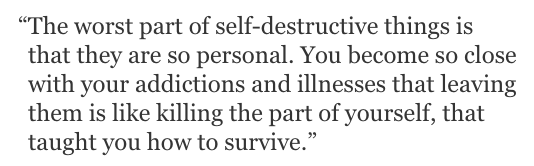
How to write fic for Black characters: a guide for non-Black fans
- Don’t characterize a Black character as sassy or thuggish, especially when the character in question is can be described in literally ten thousand other ways..
- Don’t describe Black characters as chocolate, coffee, or any sort of food item.
- Don’t highlight the race of Black characters (ie, “the dark man” or “the brown woman”) if you don’t highlight the race of white characters.
- Think very carefully about that antebellum slavery or Jim Crow AU fic as a backdrop for your romance.
- If you’re not fluent with AAVE, don’t use it to try to look cool or edgy. You look corny as hell.
- Don’t use Black characters as a prop for the non-Black characters you’re actually interested in.
- Keep “unpopular opinions” about racism, Black Lives Matter, and other issues pertinent to Black folks out the mouths of Black characters. We know what the fuck you’re doing with that and need to stop.
- Don’t assume a Black character likes or hates a certain food, music, or piece of pop culture.
- You can make a Black character’s race pertinent without doing it like this.
- Be extremely careful about insinuating that one or more of a Black character’s physical features are dirty, unclean, or ugly.
Feel free to add more.
Adding more…
- Be wary of making Black characters seem animalistic, uncivilized, or subhuman in comparison to white characters. Watch out for: comparing us to monkeys, gorillas, chimpanzees, apes, and other animals.
- Words like Negroid, colored/colured, Negro, and the n-word do not belong in the mouths of contemporary characters you want to portray as sympathetic.
- Not all Black people are African American.
- Africa is not a country but the second-largest continent on earth with some 54 different countries with thousands of ethnic groups and 1,500 to 3,000 languages and dialects.
- Resist the urge to make a Black character seem uneducated and ignorant compared to white characters.
- Capitalizing Black shows that you recognize that the word unifying people of African descent, particularly the diaspora, should be described using a proper noun.
- Please, say “Black people,” not “blacks.”
- Give Black characters the same psychological and moral complexity as white men are given by default.
- Make sure that you don’t write a Black character as happily subservient to a white character.
- Understand and show that you understand that Black characters don’t exist to be the caretakers of white characters.
And more…
- Do your own homework instead of expecting, asking, or demanding Black fans to do it.
- Before approaching that Black person you admire so much for being so articulate about race issues (this is sarcasm) to beta read your work: 1) make sure it’s something they’ve expressed interest in doing, and 2) you offer something in return for their time and expertise.
- Be prepared for fans to have issues with what you came up with and open to suggestions.
- Having only one Black character in a story that takes place in a huge city, country, or galaxy looks weird. Really, really weird. Scary weird.
- Don’t use a Black character’s death to motivate a white character.
- Portray Black characters with complex and multifaceted identities. We are more than just Black. We are also women, LGBT, Jewish, disabled, neurodivergent, immigrants, etc.
- There is a huge chasm between hypersexual and desexualized.
- Remember: what’s progressive for a white character is not necessarily progressive for a Black one.
* love ♥ starters
- ‘ want me to stay? ’
- ‘ we’re almost home. ’
- ‘ you should be in bed. ’
- ‘ we can share it.’
‘ stay there. i’m coming to get you. ’
‘ shh, shh. you were dreaming. ’
- ‘ grab my hand. ’
- ‘ i’m just going to pick you up. ’
- ‘ everything okay? ’
- ‘ i won’t leave you behind. ’
‘ don’t worry. better out than in. ’
‘ who did that to you? ’
- ‘ sit down and rest. ’
‘ sweetie, i would never think that. ’
- ‘ come lay down in my lap. ’
‘ i know you think you’re all alone out there, but you’re not. ’
‘ call me when you get home. ’
- ‘ we should change those bandages. ’
- ‘ you’re safe here. ’
‘ honey… ’
‘ of course we love you. ’
‘ wait here. i’ll go run a bath for you. ’
‘ take my bed for tonight. ’
‘ i promise. ’
‘ you’re always welcome here. ’
‘ don’t talk like that. ’
‘ bad dream? ’
‘ talk to me. ’
‘ it’s okay to cry. ’
- ‘ you need to be more careful.’
‘ we should hug this out. ’
‘ i worry about you. ’
‘ can i hold your hand? ’
‘ because i care about you. ’
‘ it made me think of you. ’
‘ take care of yourself. ’
‘ put your seatbelt on. ’
‘ where did you go? ’
‘ i didn’t mean to worry you. ’
‘ i made breakfast. ’
‘ sing something for me? ’
‘ open it and find out. ’
‘ how long have you been like this? ’
‘ you look nice. ’
‘ here, take my jacket. ’
‘ close your eyes and try to get some rest. ’
‘ focus on my voice. ’
‘ i meant every word.
’
‘ i was here all night.
’
‘ look both ways before you cross. ’
‘ you don’t have to talk. ’
‘ this is your favorite, right? ’
‘ you’ll feel better in the morning. ’
‘ you have a nice laugh. ’
‘ here, take my jacket. ’
‘ you could stay here. with me. ’
‘ we’ll figure it out together. ’
I just want someone who’s soft for me
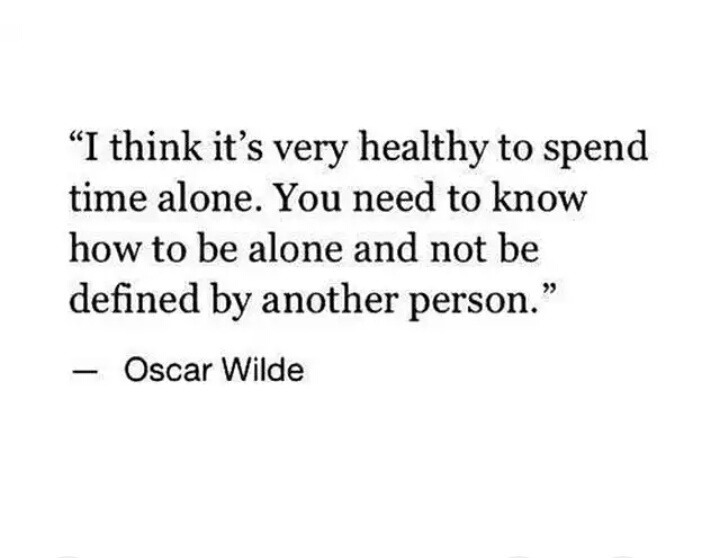

On building a healthy sense of self
One of the difficult tasks in healing from emotional abuse/neglect is healing the damage the abuse has done to our sense of self-worth and perception of ourselves… with all the negative thoughts about who we are (i.e., ”I am bad,” “I’m not enough,” “I’m unlovable,” the list goes on), and our expectations of how others/we should be or how they should treat us (i.e., “I deserve to be treated horribly,” “My needs don’t matter,” etc). Many times, it goes to an even more extreme level, where we start beating up on ourselves–often in the same way our abusers once did.
I’ve had some people reach out to me about this, but the reality is, there is no easy fix. This is a part of the arduous, gritty work of healing–not only healing from the damage, but after clearing out the damage, building a new sense of self from scratch. While some others had the blessing of having supportive and loving parents to build that base at an early age, we have the exhausting task to build it with our own two hands. So it is natural for us to feel tired and overwhelmed.
I write all my original posts based on personal experiences and knowledge gained–but since this is something I am still working on (and struggling) within myself, I don’t have any quick answers. I know how heavy all the negative thoughts can be, and how it can be so taxing to push against them, that there are days you collapse and break out in tears from the weight of it all. But what I can say is that loving ourselves and seeing all our good will NOT come naturally. Remember, we have been wired to see only the bad about ourselves, and to expect ill-treatment–because that was how we were treated for so long. That was our environment growing up. We are fighting against years and years of practiced and well-rehearsed thoughts, expectations, and beliefs that we are bad, not good enough, or that we don’t matter. So it will take a lot of time and a lot of practice to re-wire our minds. As I’ve written before: we are inherently good–we were just never trained to see it.
So let’s keep fighting the good fight. It is hard for us all, but know that you are not fighting alone. 💛
 Astronaut bird