Can animals actually dance to music? Is that a thing because every time my friend puts on music her bird goes nuts and starts swaying and chirping along
If there is no music my bird will start clicking to encourage me to make a beat for them to dance to
Mine does that too! She’ll make a knocking/hammering noise and start headbanging because she wants me to put on music or clap for her.
Oh I have some science for y’all, lemme get to my PC!
Okay science time!
Short answer: Some animals appreciate music, some don’t. Some can dance, most do not. It’s dependent on certain types of intelligence.
Long answer…
Birds do like music, they understand rhythm, and they can truly dance! Birds are incredibly intelligent animals, not because of the size of their brains, but the density of neurons means they pack a lot of smarts into a very small braincase. Birds also have some specializations in their intelligence that other animals do not that can make them more likely to dance!
Birds are vocal animals! They learn vocalizations (and in some species even names, called signature contact calls, that they use to identify and find individuals) from their flock, and use sound to navigate their social environment. This means that birds, namely songbirds and parrots, have adapted to have large portions of their brains dedicated to processing sound. They spend a lot of time and energy hearing, paying attention to, processing, mimicking, and thinking about sounds that they hear because their survival depends on it! Now what does that have to do with dancing? A lot, but perhaps not as much as the next thing:
How animals communicate with each other and form social connections. Many birds live in flocks. Their ability to survive, thrive, and reproduce depends on their interactions with other birds. Now sound plays a huge role in socialization, but so does body language! Parrots especially have very complex social lives and subtle nuances to interacting with each other, and they have evolved very elaborate ways to communicate with each other using body language, both behaviorally and physically!
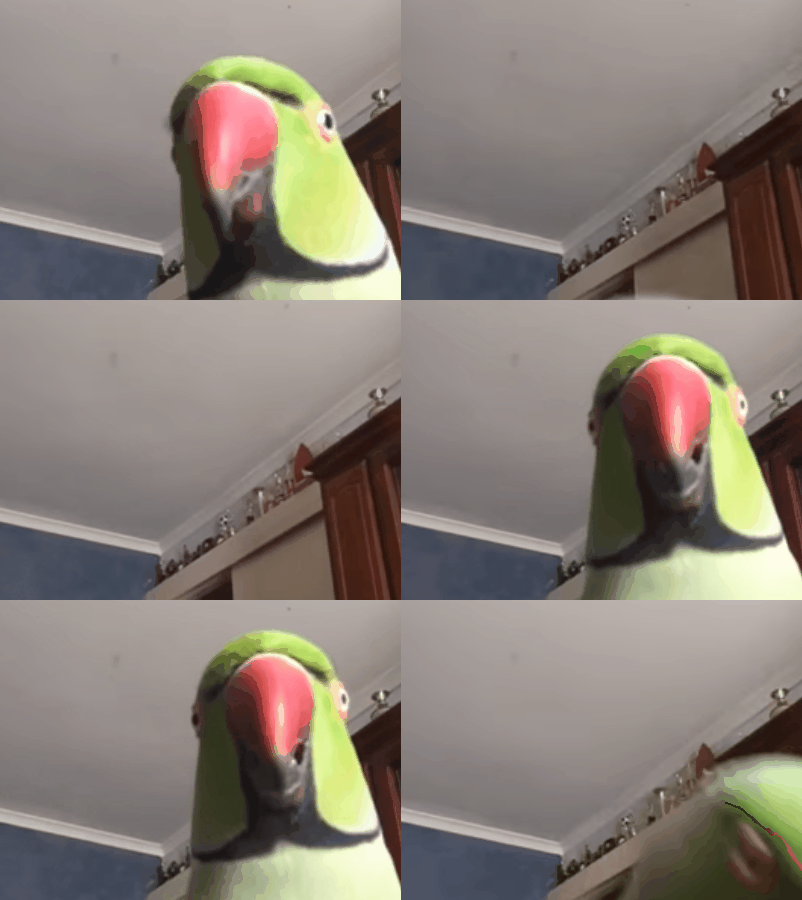
They have brightly colored eyes and control over their pupil size:
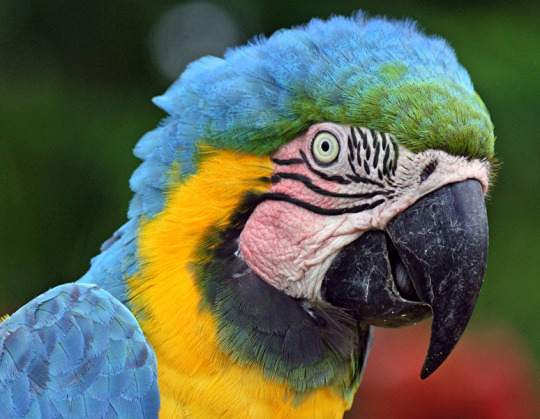
Macaws blush;
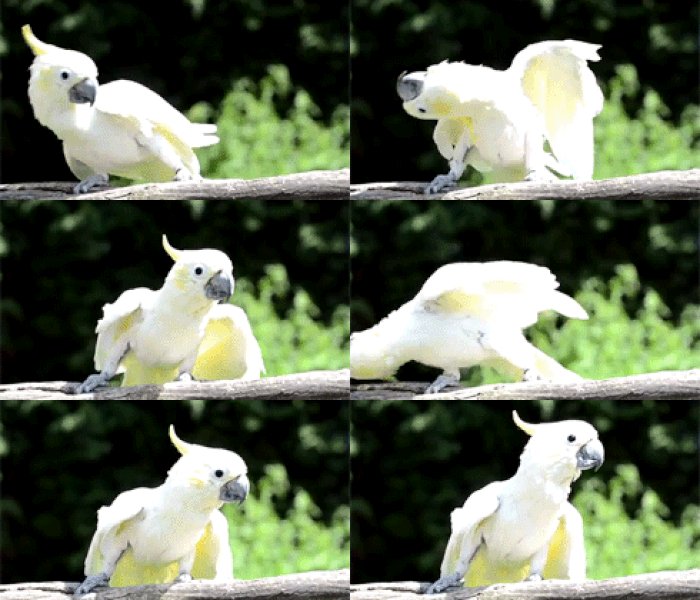
And cockatoos, arguably some of the best dancers in the parrot family, love to raise their crests, spread their wings, and bob and duck and do all sorts of dance-y things naturally to communicate!
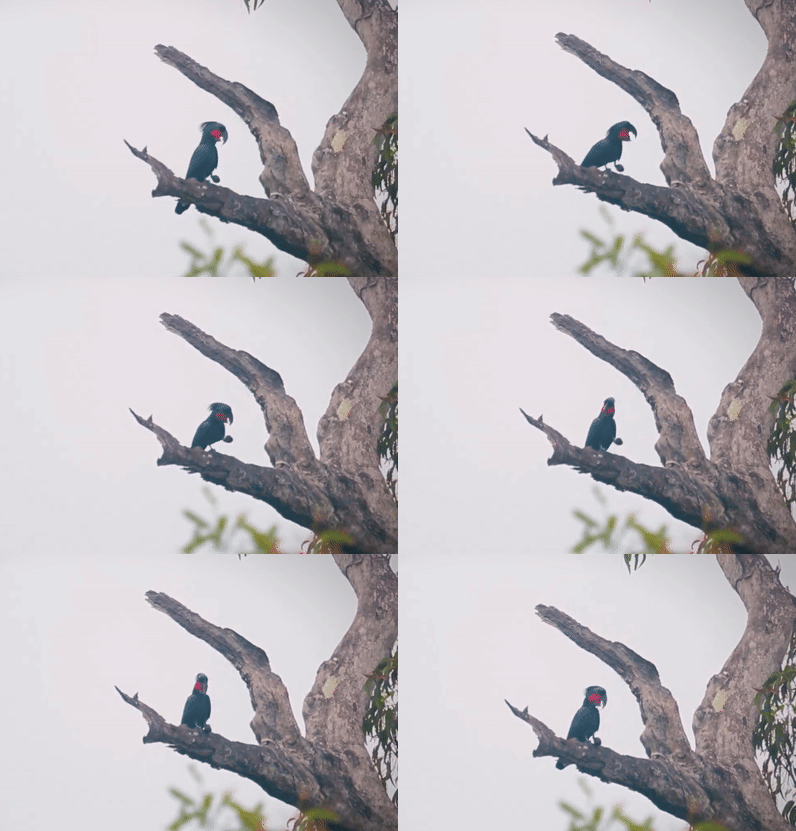
Perhaps most remarkably, black palm cockatoos actually create their own music, using rocks and sticks as drumsticks to bang rhythmically on trees! All with absolutely zero training or human intervention.
Birds don’t perfectly match up with the beat when dancing to music. Actually, their rhythm-keeping skills are about on par with human toddlers. But they do do their best to get into the beat. It just feels good to dance when you’ve got a brain complex enough to process music!
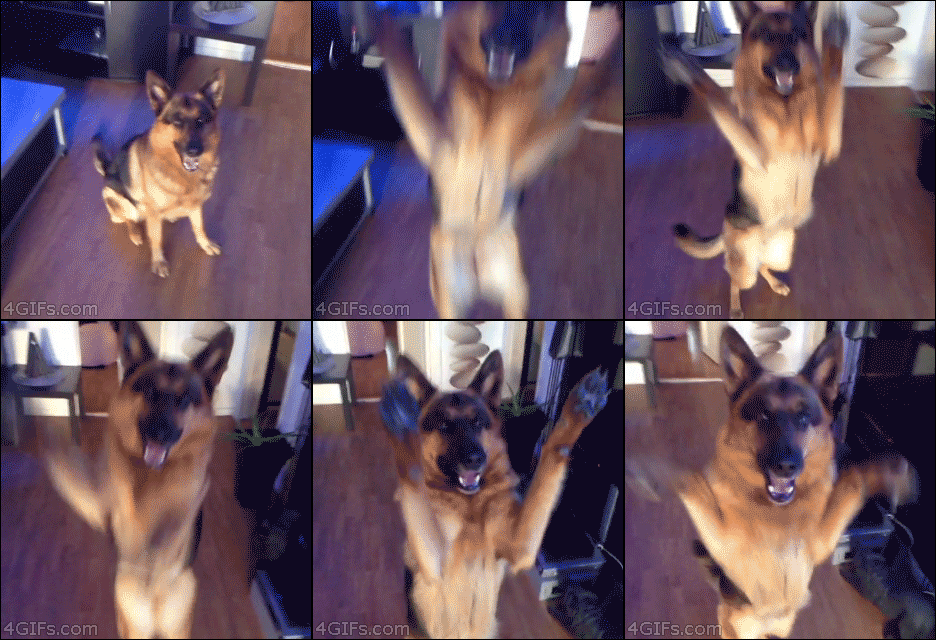
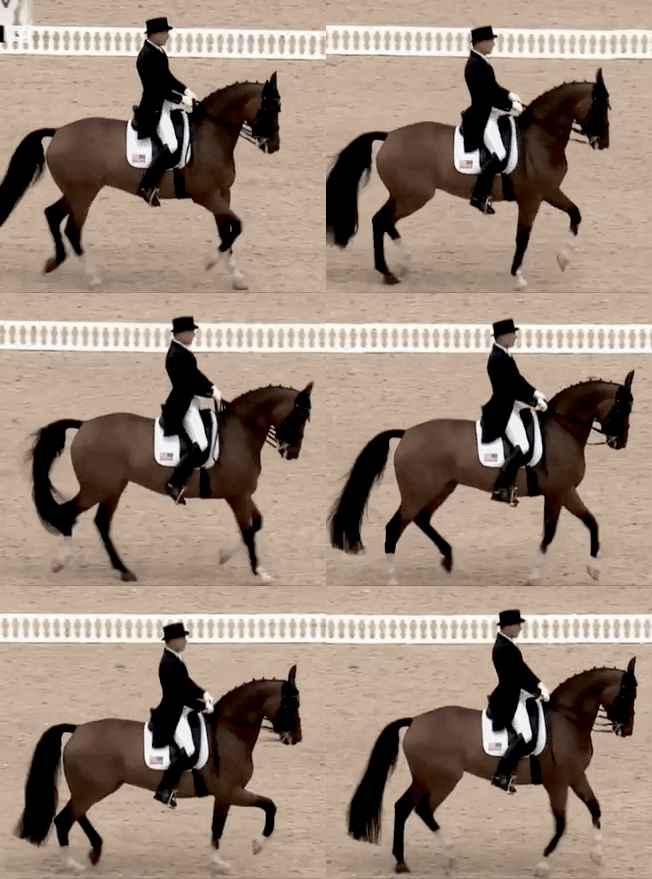
But what about other animals? Dogs dance, right? And horses?
… Not exactly. Almost every single example of other species of animals dancing are either trained behaviors, or coincidence. Except for one other animal. Can you guess what it is?
Well,
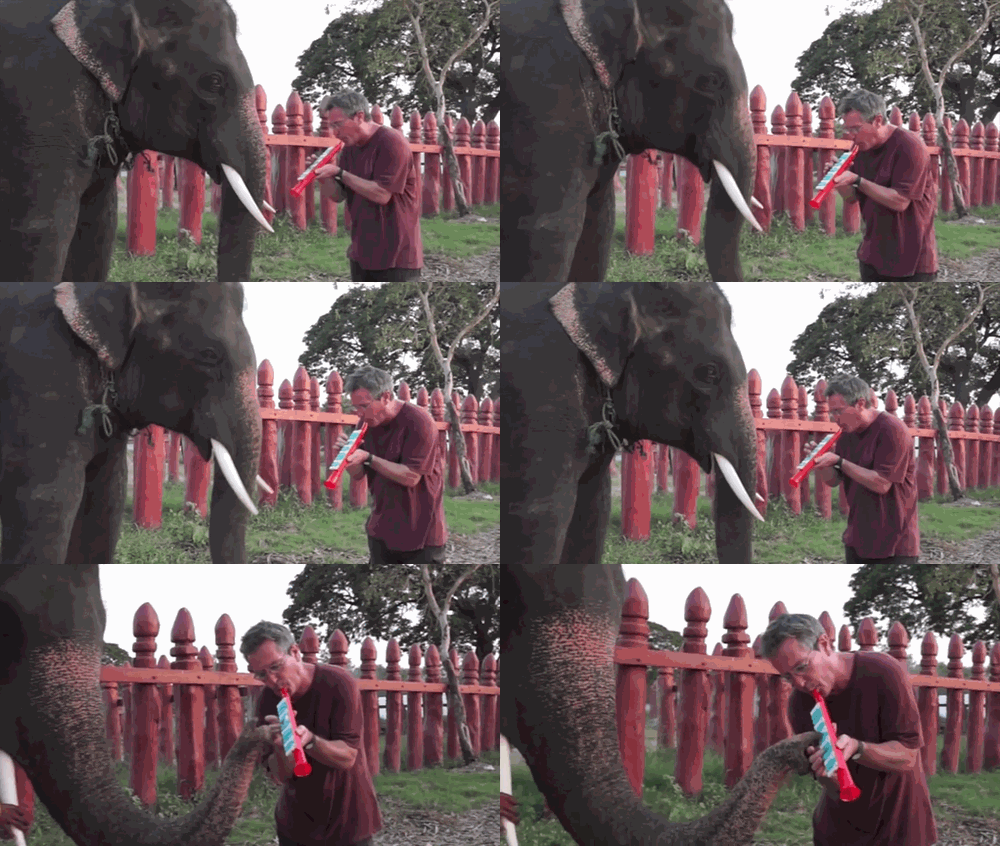
It’s elephants! And they fulfill all the characteristics of dancing animals. Complex brains? Check. Auditory intelligence? Check. Highly social? Check!
This isn’t all to say that other animals don’t enjoy music– many animals enjoy listening to certain kinds of music for all sorts of reasons. But so far, only birds, elephants, and humans are proven dancers.
My science may not be 100% spot on– I encourage you to do your own research and debunk anything I got wrong or add something I missed!

 Astronaut bird